
Whitwell
Children's Holocaust Memorial
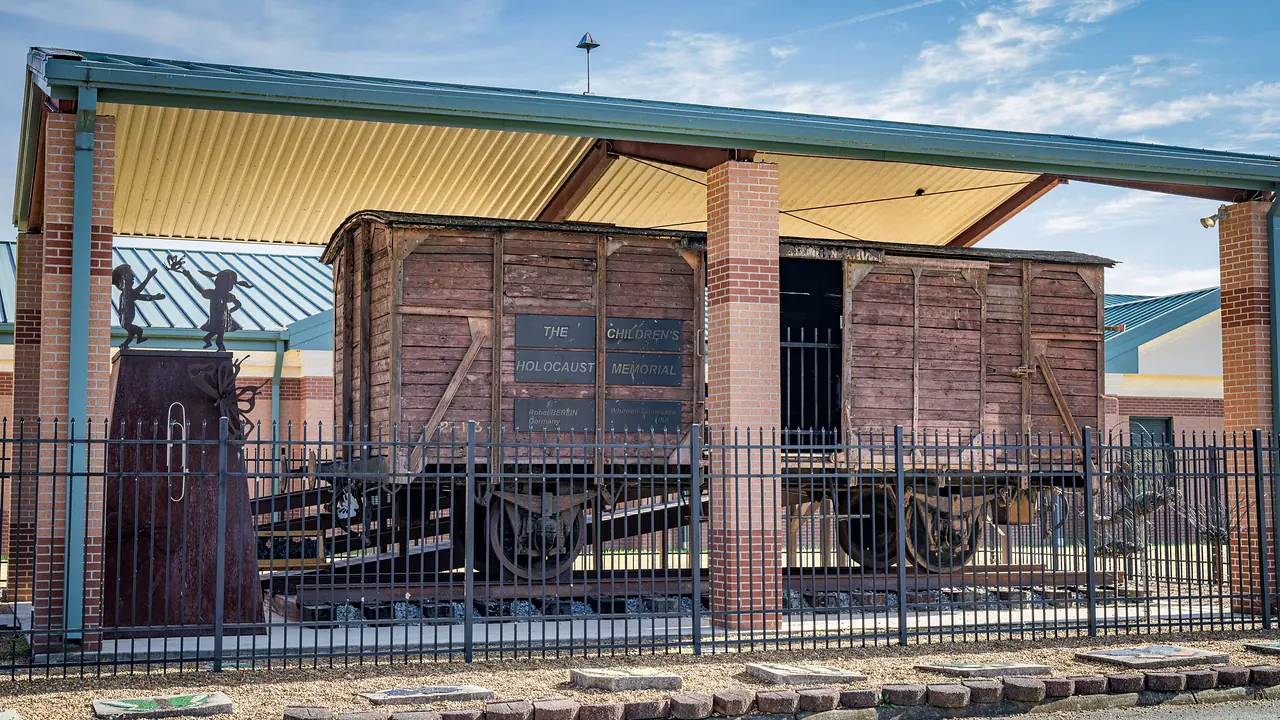
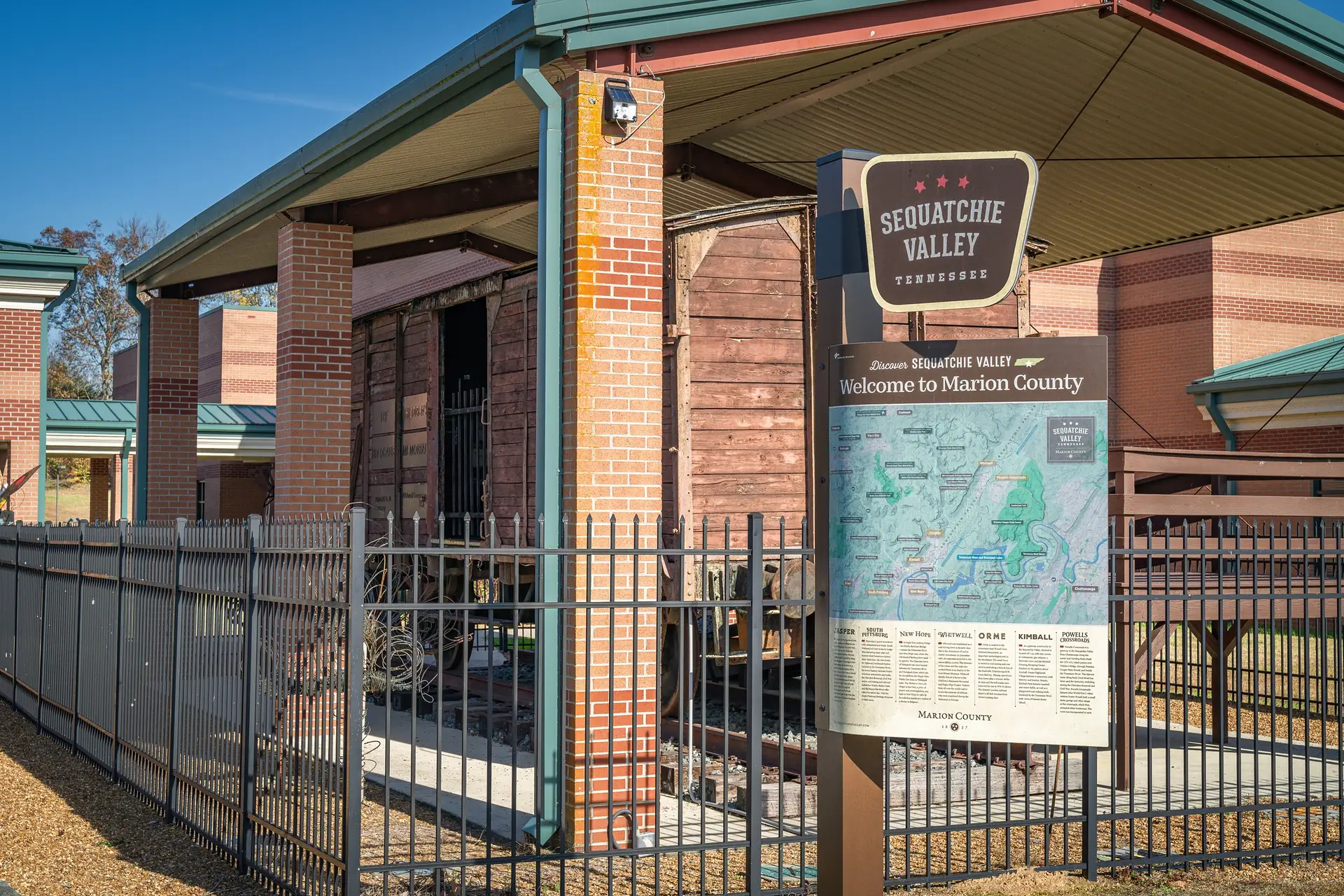
A German rail car on the grounds of Whitwell Middle School holds 11 million paper clips that students collected to remember the victims of the Holocaust.
Visiting
The memorial is at Whitwell Middle School, a working school. It does not keep staffed public opening hours the way a museum does.
- Contact the school before you come. Access varies during the school term.
- Groups should always arrange a visit in advance.
- Guided tours are requested through the school’s tour request form.
- Admission is free. If you would like to support the memorial, ask the school how.
- The school’s memorial page has current visitor information.
The subject is the Holocaust. The memorial handles it with care and suits older children and teenagers. Parents should judge for their own family.
What you will see
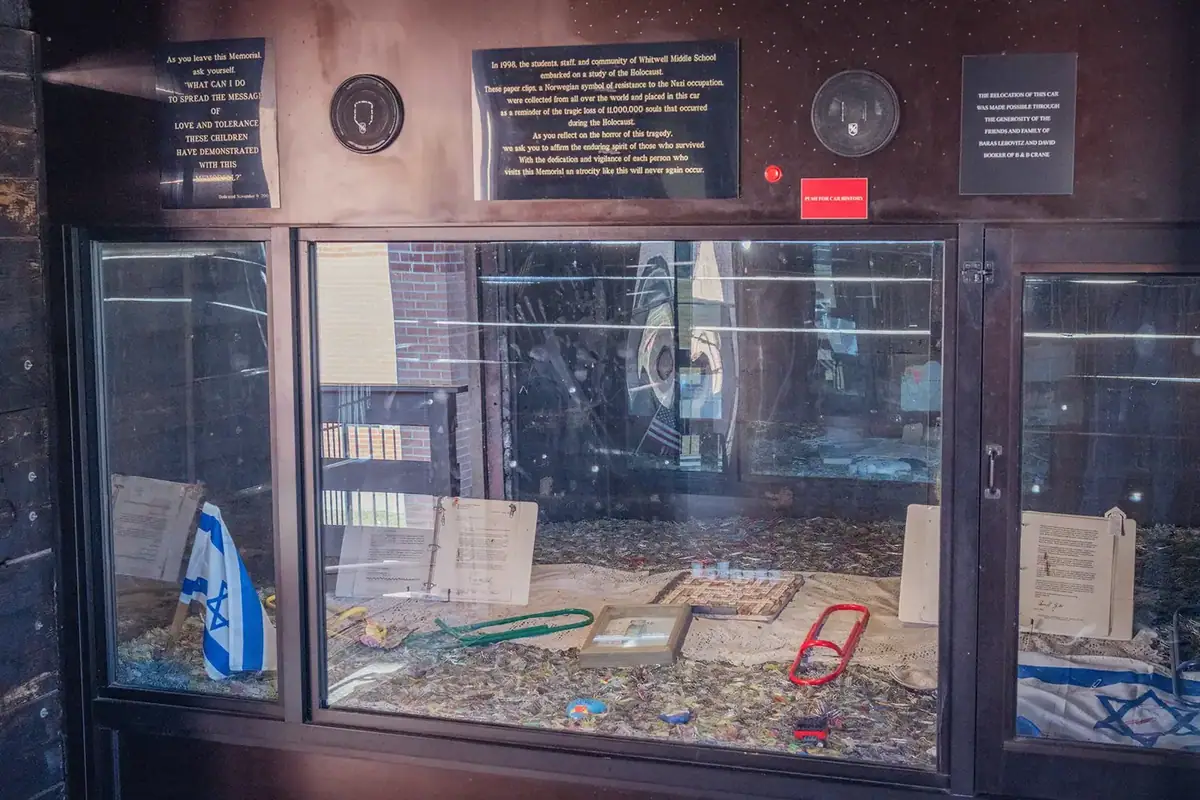
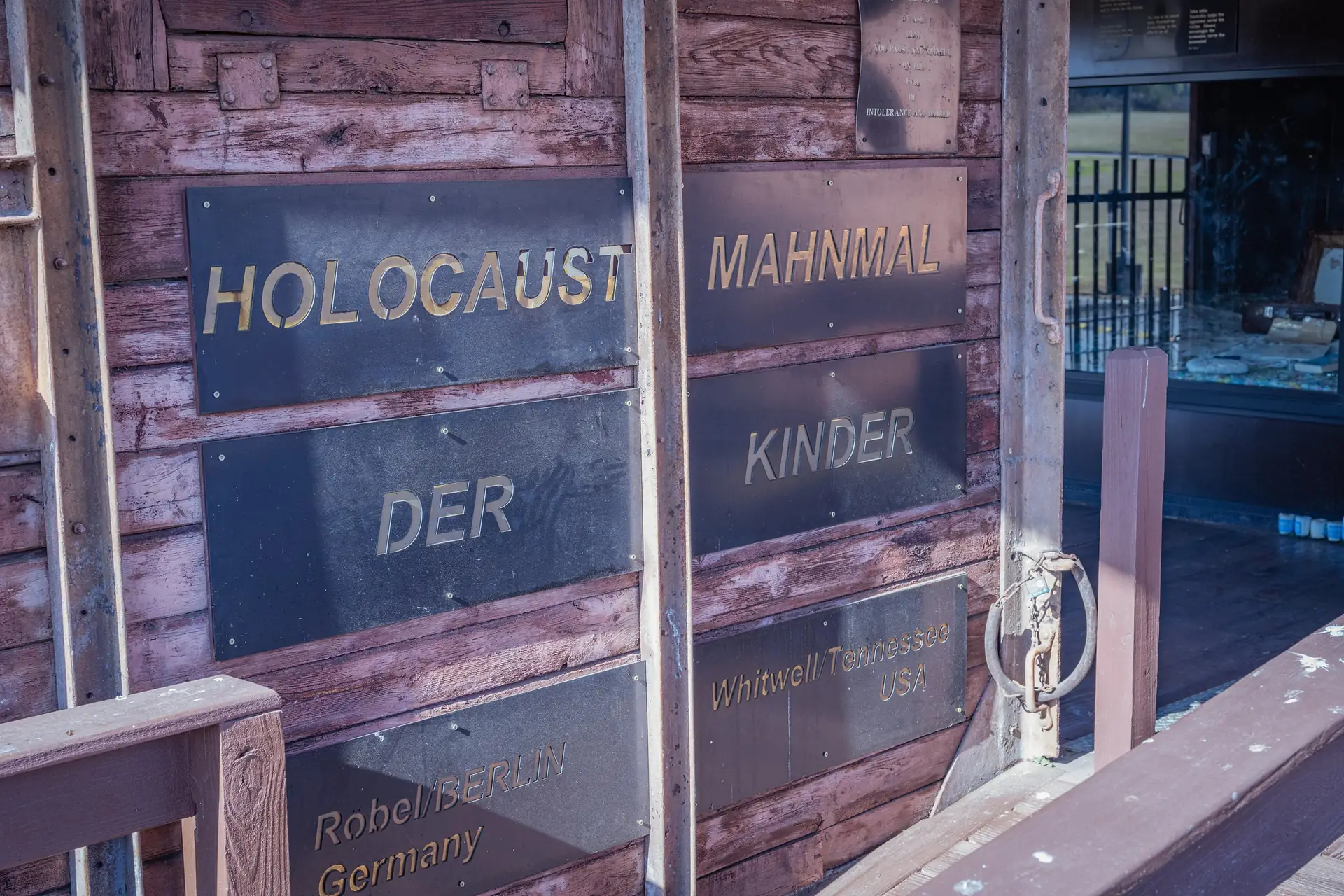
The centerpiece is an authentic German rail car of the type used to transport Jewish prisoners to the camps. It stands outside the school under a shelter. Inside, behind glass on either side, are paper clips, letters and mementos sent from around the world.
A plaque in the car states that the clips were placed there “as a reminder of the tragic loss of 11,000,000 souls.” Six million represent the Jews who were murdered. Five million represent the other victims of the Holocaust.
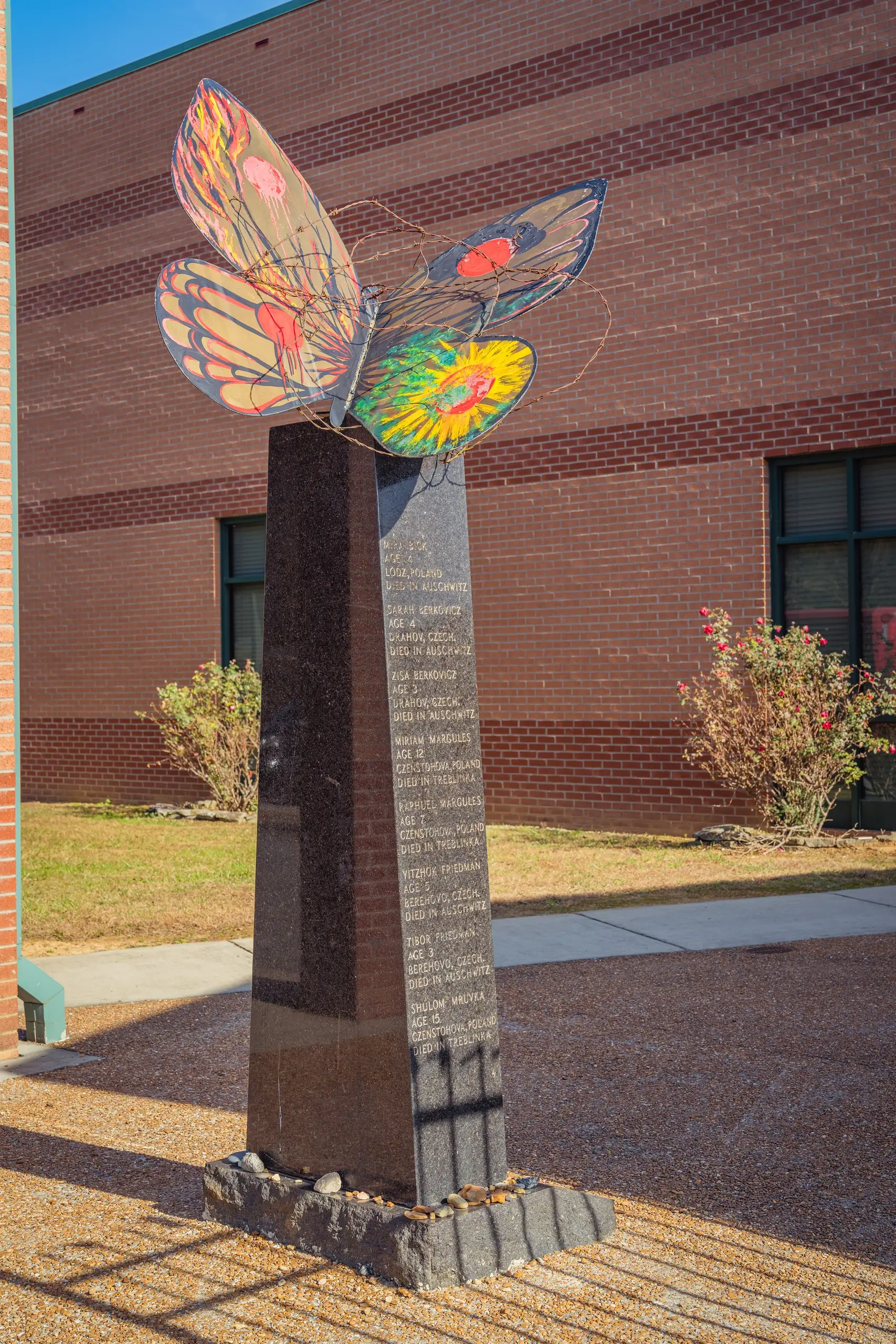
Beyond the rail car, the school displays letters, documents and artifacts donated in memory of victims. Students cataloged them.
There is no gift shop and no staged exhibit lighting. It is a rail car in a schoolyard in the Sequatchie Valley, and most of what you do there is read.
How the project began
In 1998, principal Linda Hooper and teachers Sandra Roberts and David Smith started a Holocaust education class at Whitwell Middle School. The town was, by the students’ own description, almost entirely white and Christian, and the class was meant to teach tolerance and acceptance.
The students could say “six million” but could not picture it. They decided to collect six million of something, one for each Jewish life lost. They chose paper clips after reading that Norwegians wore them on their lapels as a quiet symbol of resistance during the Nazi occupation.
Word spread through journalists and then abroad. Paper clips arrived by the envelope and by the sack, many with letters from survivors, families of victims and schoolchildren in other countries. Holocaust survivor Lena Gitter was among the donors. By 2001 the school had received more than 30 million paper clips.
The school then acquired the rail car, had it shipped to Tennessee and installed it as the memorial. The 2004 documentary Paper Clips tells the story and is worth watching before a visit.
Learn more
Also in Whitwell
The Coal Miners Museum is in town. The annual Ketner’s Mill Country Arts & Crafts Fair is held nearby in October. The mill grounds are closed to public recreation outside the fair.
Photos
Make it a weekend
Stay nearby
Where to stay
- Cabins and vacation rentalsIncludes Bolt Farm Treehouse and other stays in Whitwell
- Hotels
- Camping & RVs
Where to eat
Common questions
Where is the Children's Holocaust Memorial?
At Whitwell Middle School, 1 Butterfly Lane, Whitwell, Tennessee, in Marion County. It is about 40 minutes from Chattanooga and roughly two hours from Nashville.
Can the public visit?
Yes, and it is free. Because the memorial is on an active school campus, contact Whitwell Middle School in advance, particularly for groups or during the school term.
What is the Paper Clips Project?
A project begun in 1998 by students at Whitwell Middle School, who collected paper clips to grasp the scale of the Holocaust. They chose paper clips because Norwegians wore them as a symbol of resistance during the Nazi occupation.
What is the rail car?
An authentic German rail car of the type used to transport people to the camps. It was shipped to Tennessee and installed on the school grounds to hold the paper clips, letters and artifacts.
Is there a film about it?
Yes. The documentary Paper Clips was released in 2004.